Field School
Lumbini to Lo Manthang (L2L) — Planetary health across the Himalaya
The 2025 L2L Field School was an interdisciplinary, field-based learning experience designed for undergraduate students from diverse academic backgrounds, including environment, engineering, humanities, and health sciences. The program brought together 17 participants: 7 from Nepal, 7 students from Duke University, USA, and 3 students from member universities of the Himalayan University Consortium (HUC) (China and India).
The three-week journey from the Terai lowlands to the high arid Himalayan region of Nepal provided an excellent natural laboratory to explore the effects of global change on human health and well-being. Students were empowered to learn about a range of interlinked issues: climate change and health, land use and disasters, environment and spirituality, gender, caste and inequalities — all components of Planetary Health.
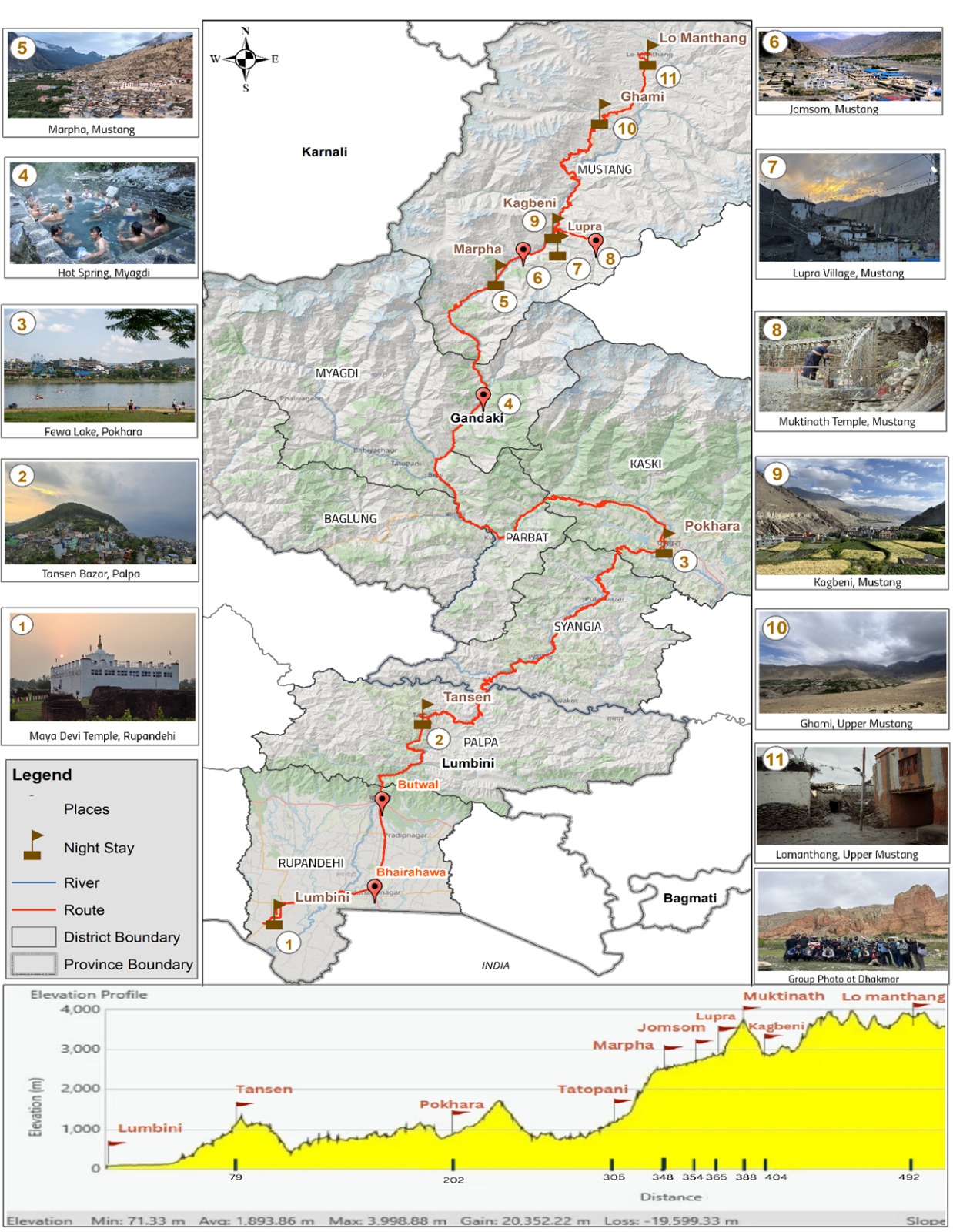
Interactions between communities and environmental change.
Identify climate risk factors and pathways to sustainable solutions.
Environmental drivers of disease burden and psychosocial resilience.
Sustainable land and ecosystem regeneration practices in the field.
Migration, tourism, urbanisation, and changing food systems.
Indigenous, religious, and ethnic framings of disaster and solutions.
Direct engagement with youth, women's groups, religious leaders, entrepreneurs, and policy makers.
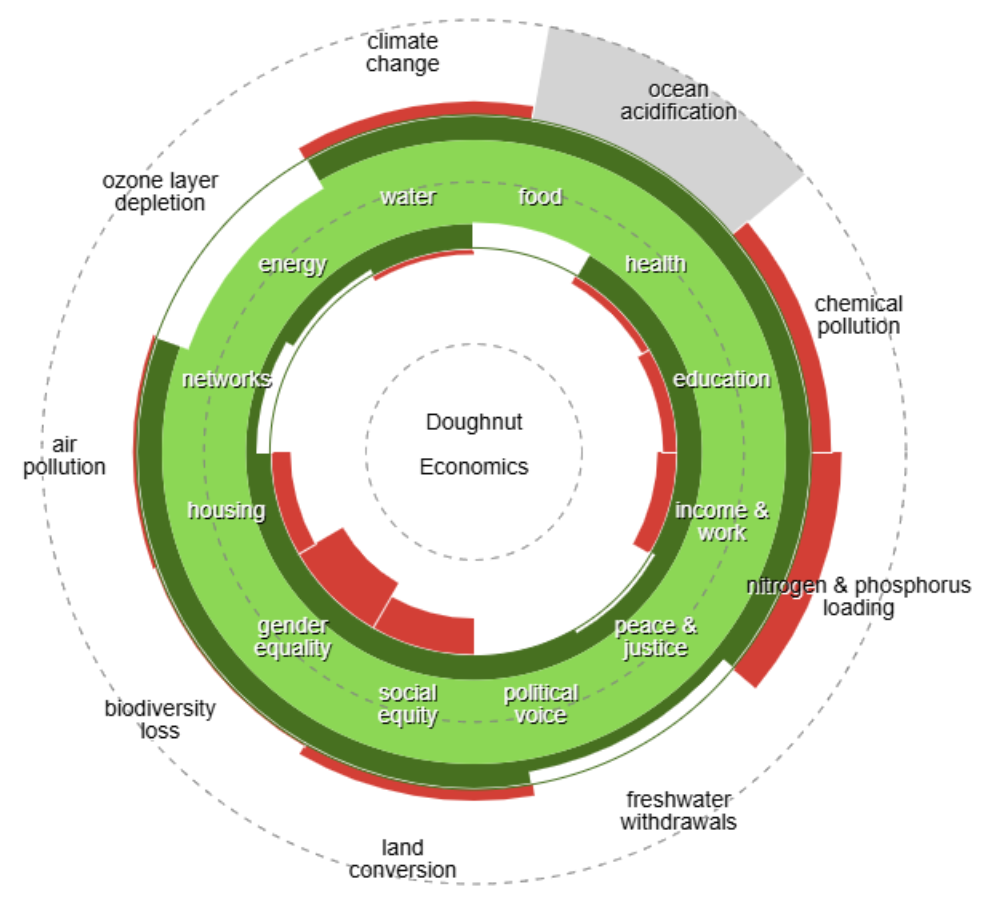
The field school used the “Doughnut of Social and Planetary Boundaries” framework to anchor the transdisciplinary concept of Planetary Health. The inner ring represents the social foundation (Raworth, 2017; DEAL, 2025) and the outer ring is the ecological ceiling of planetary boundaries (Rockström et al., 2009).

For each of the field school visits, students created a perceptual model to illustrate how each site balances human well-being and ecological sustainability — using the Cambridge Doughnut’s online Doughnut Creator and rating each dimension on a Likert scale from 0–10 (0 = well within the safe space, 5 = boundary, 10 = severe shortfall or overshoot).
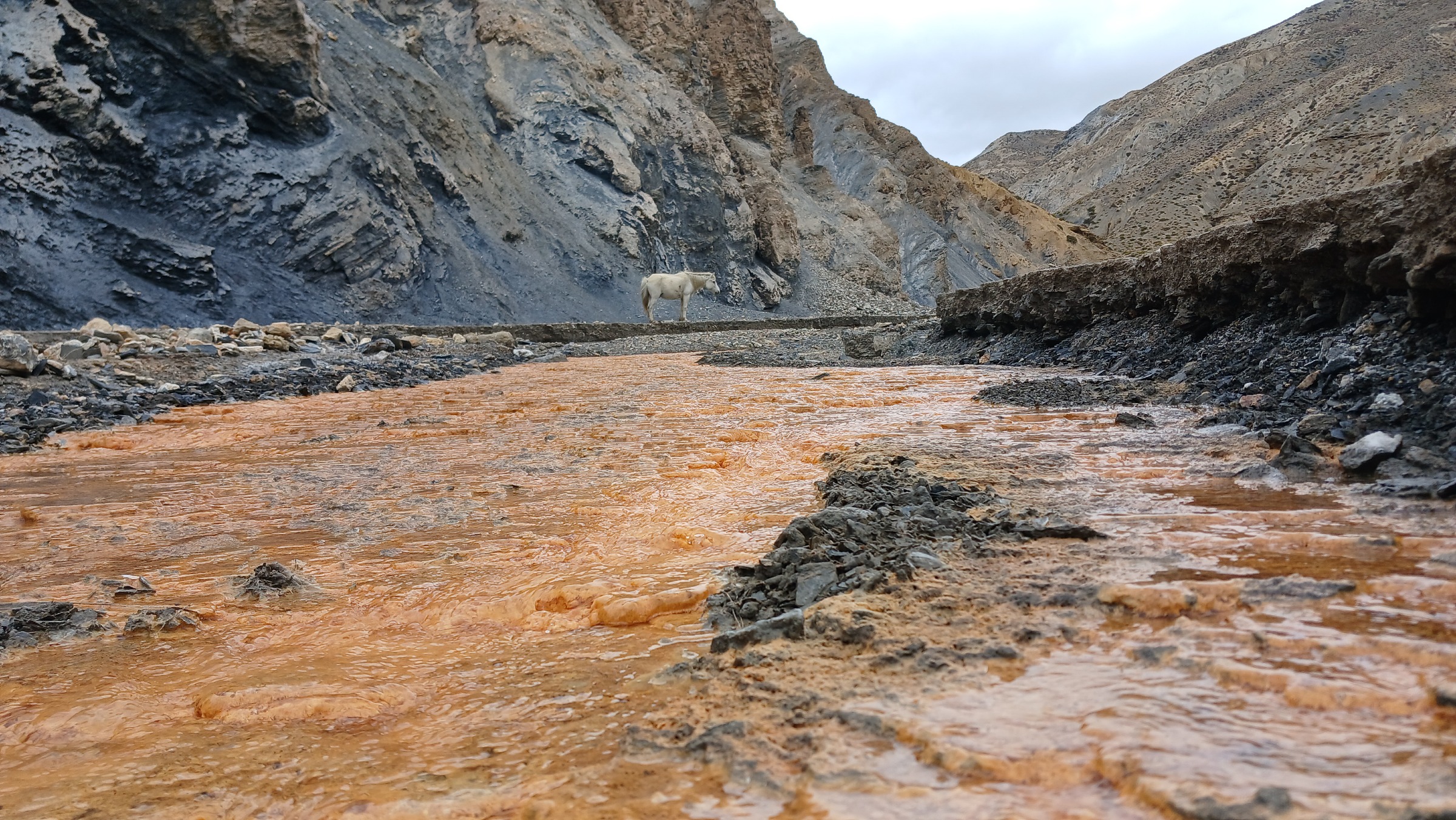
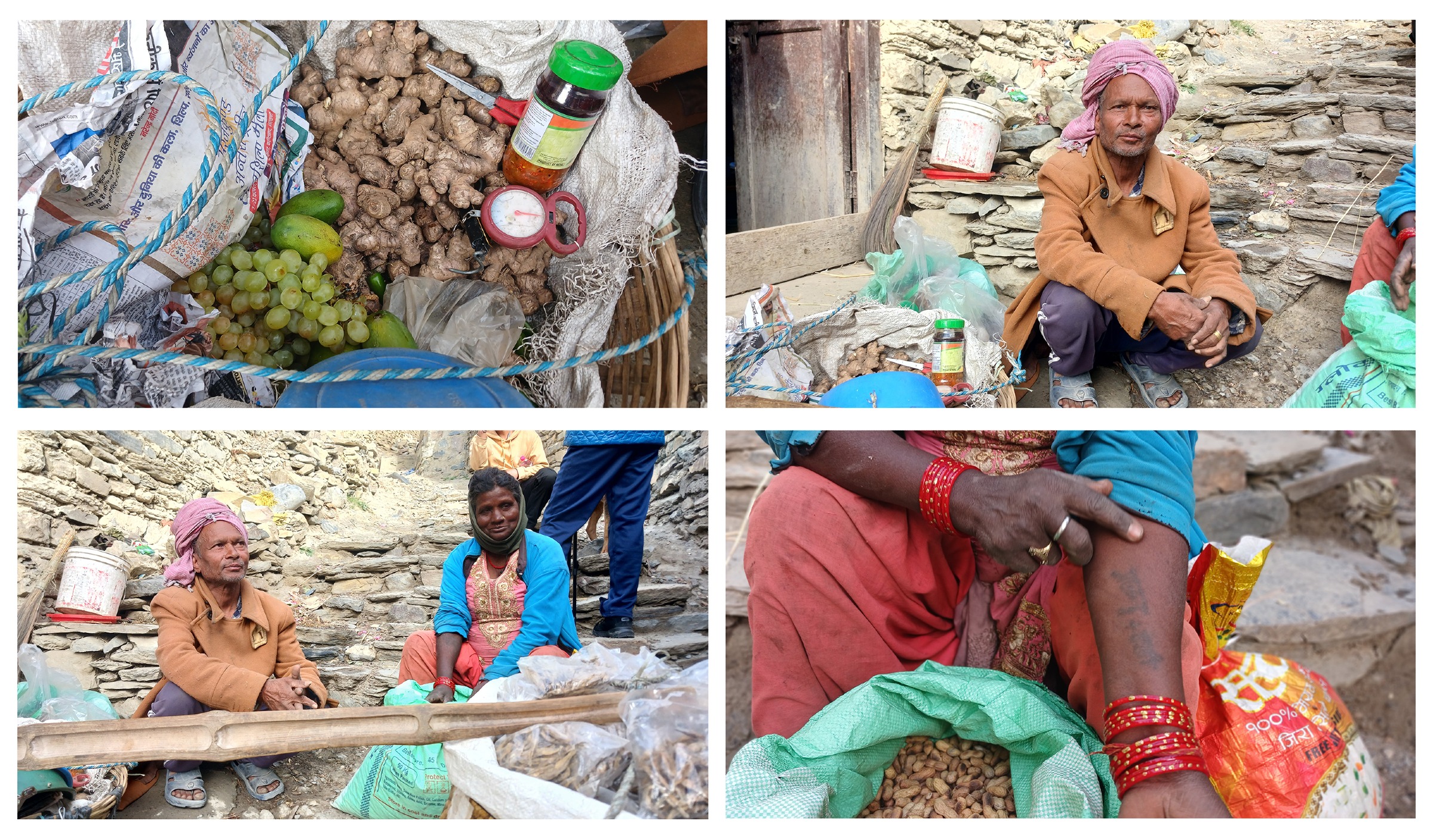
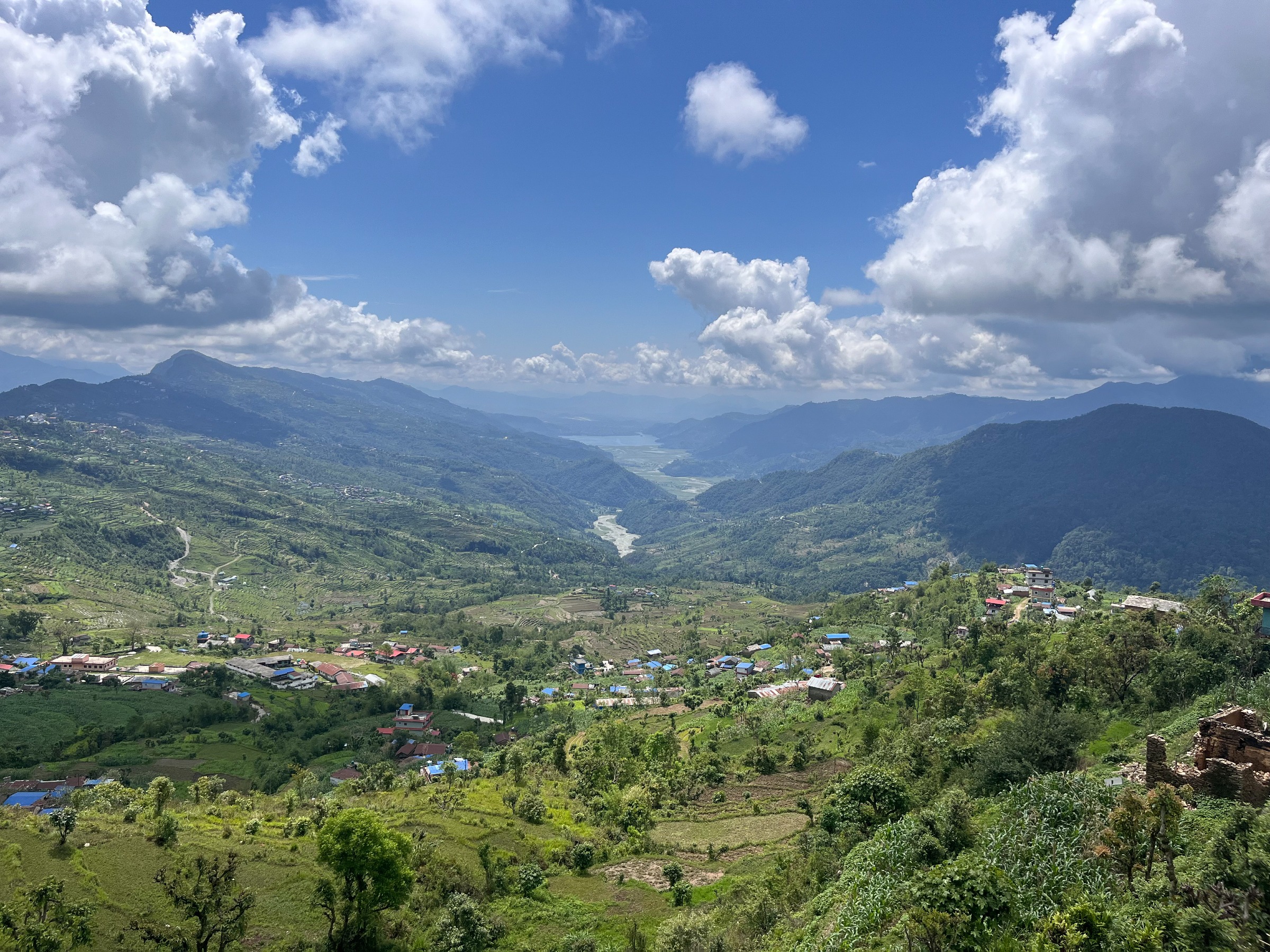
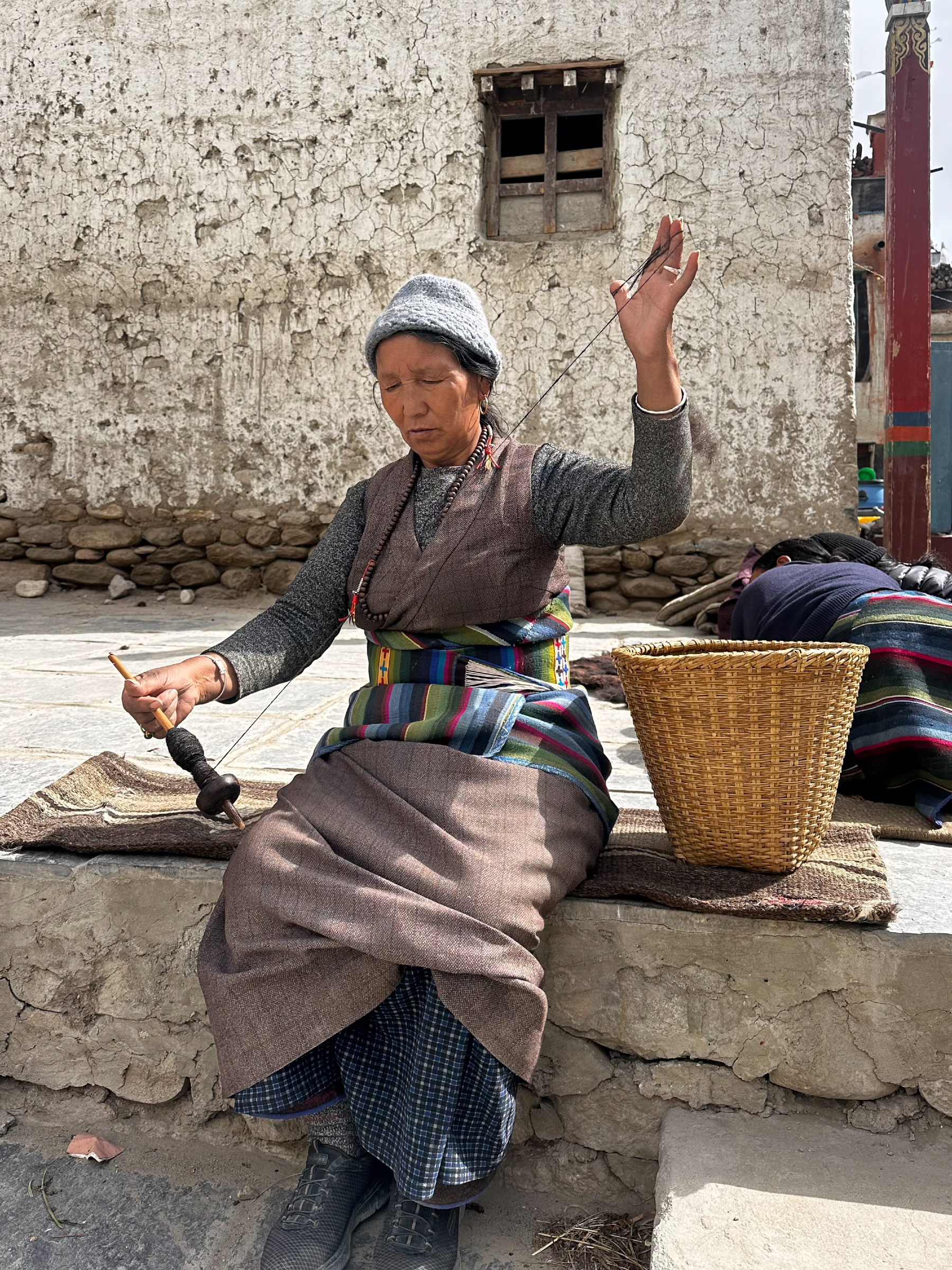
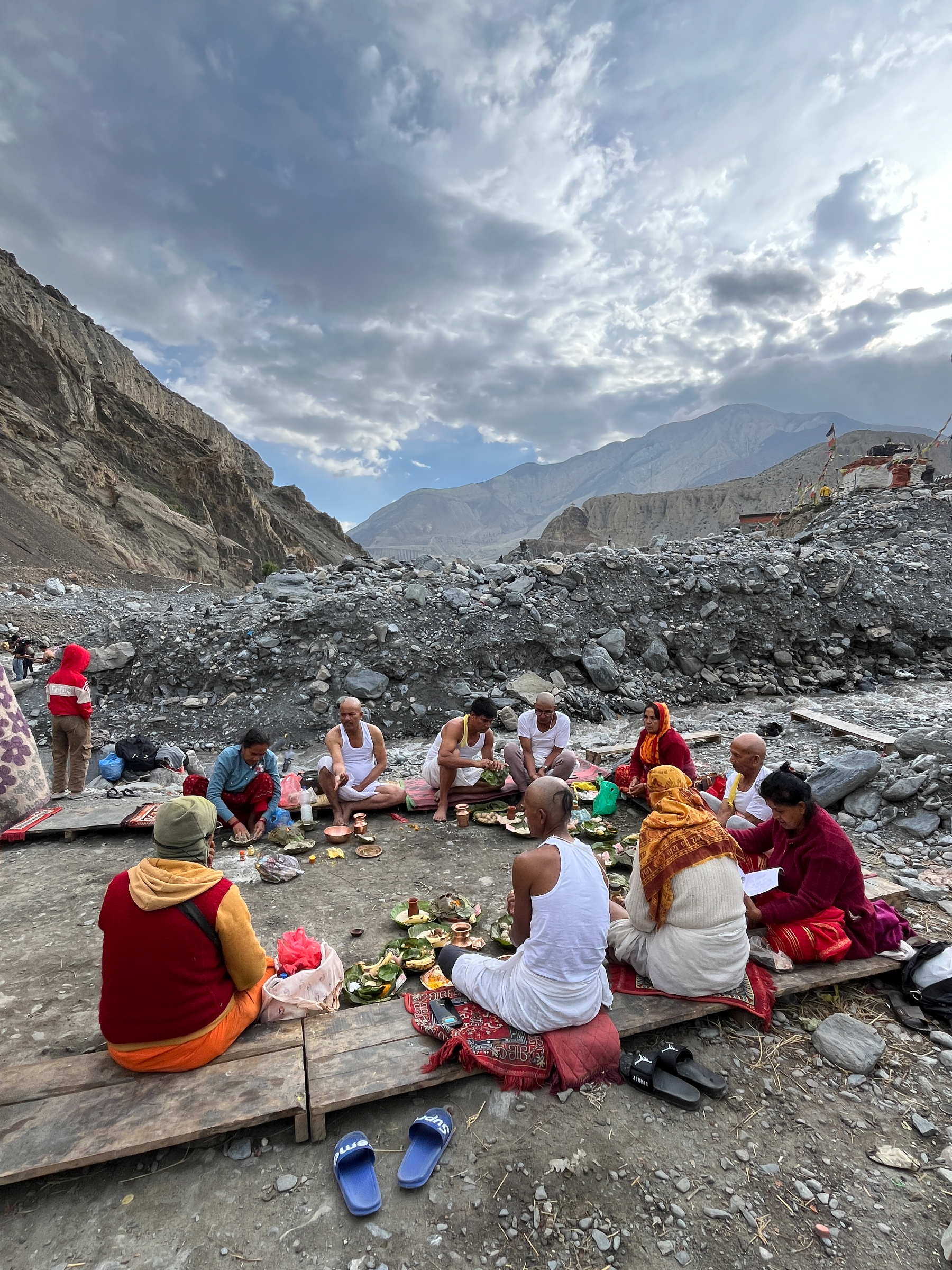
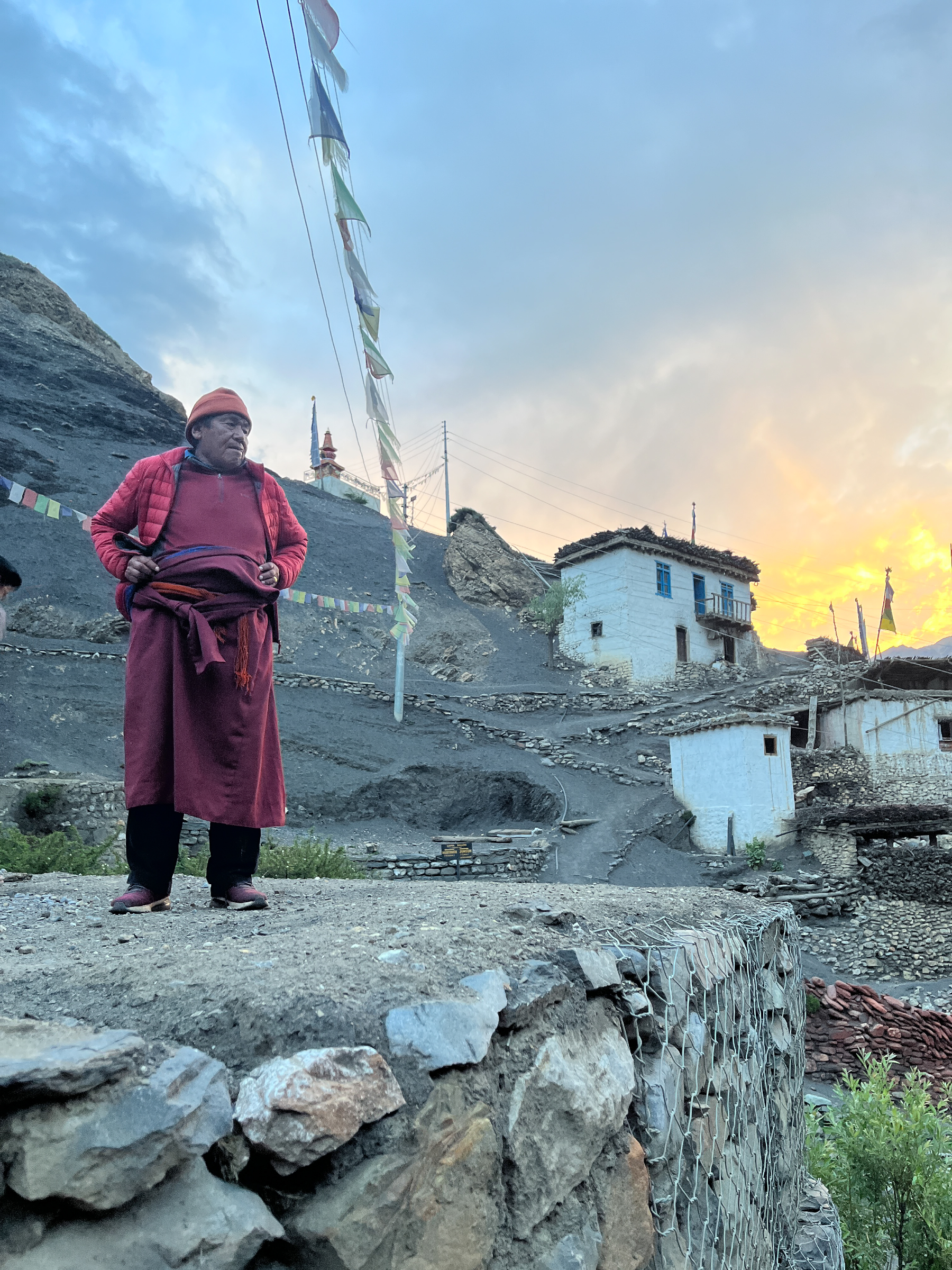
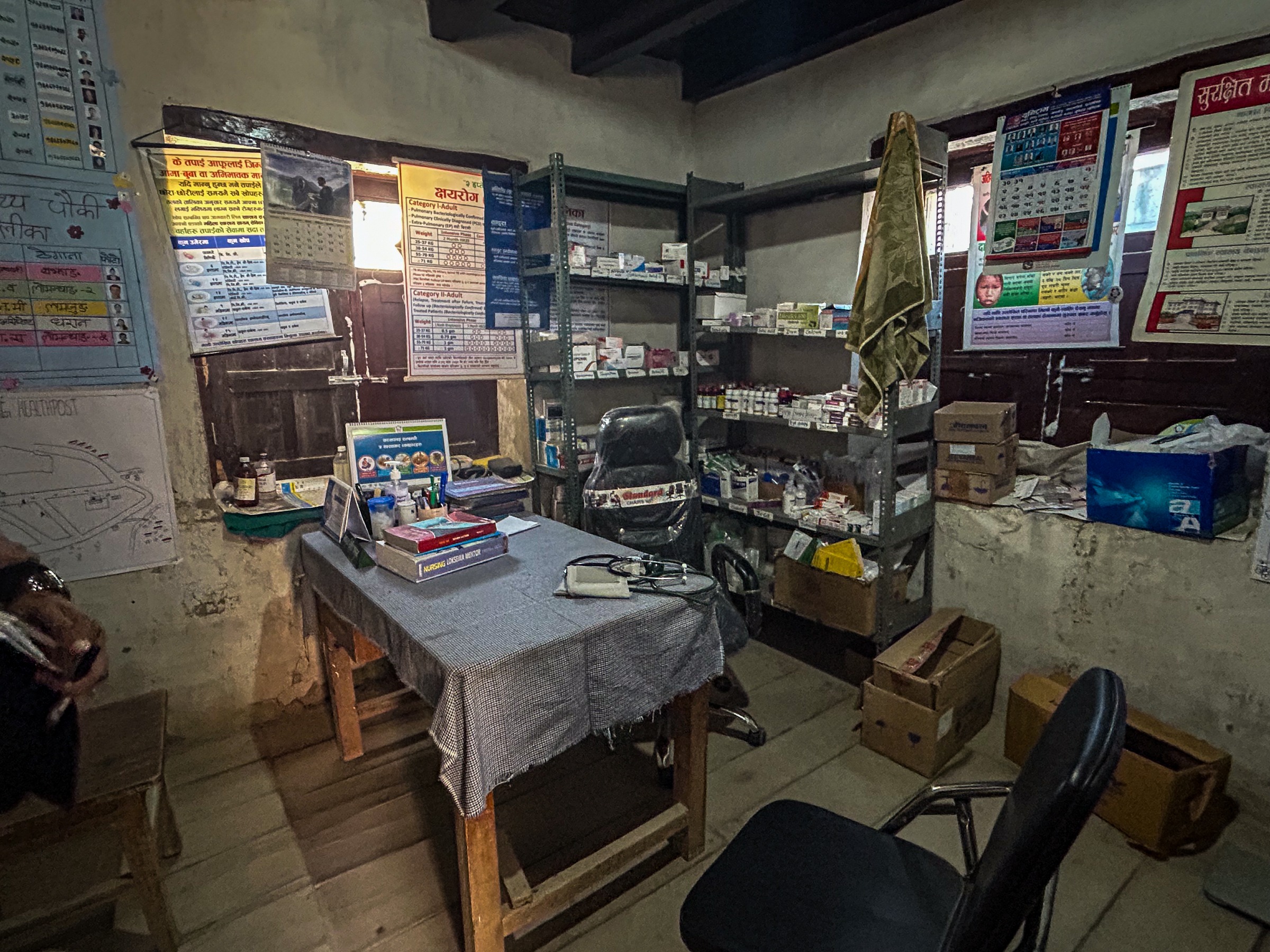
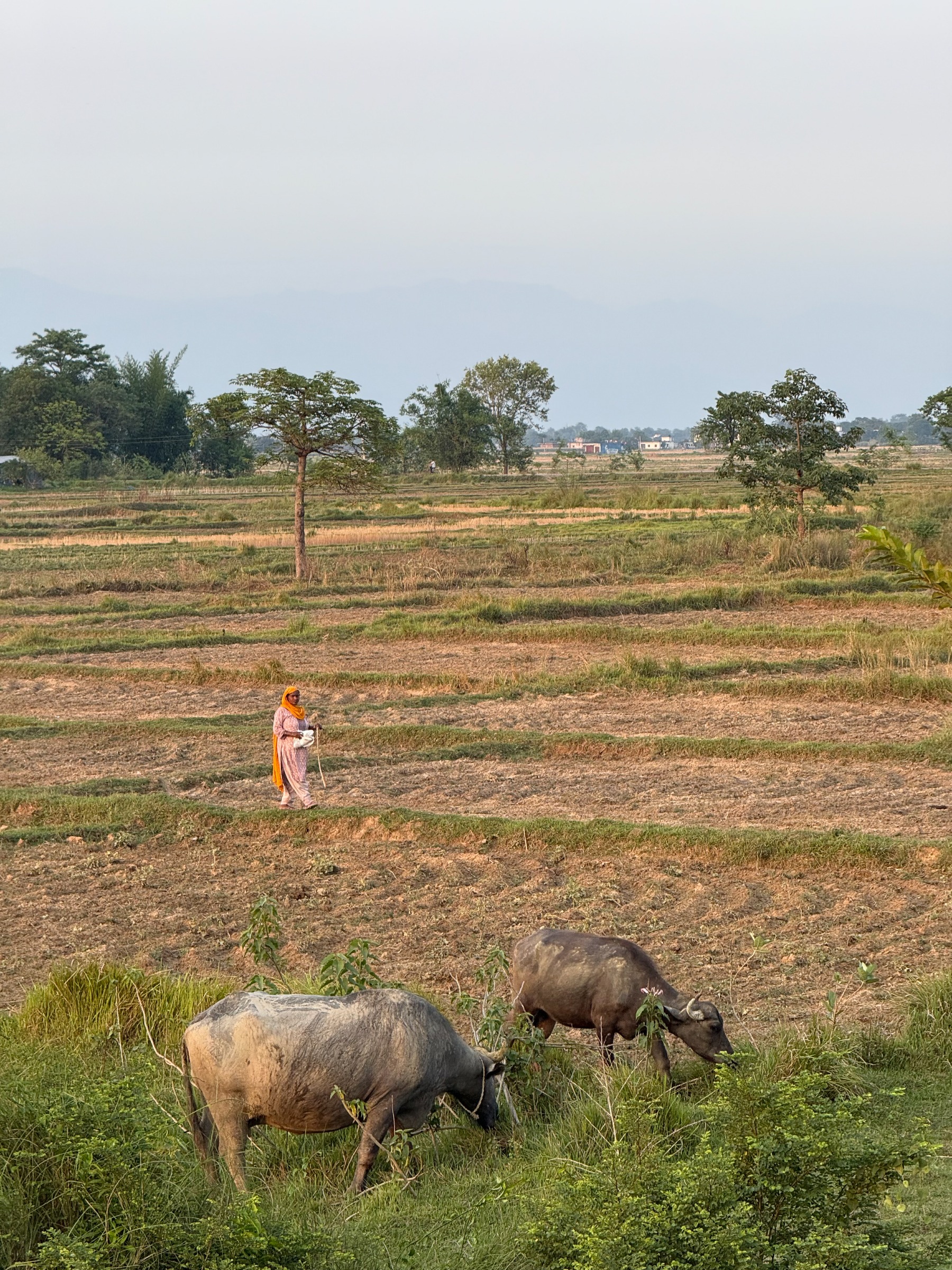
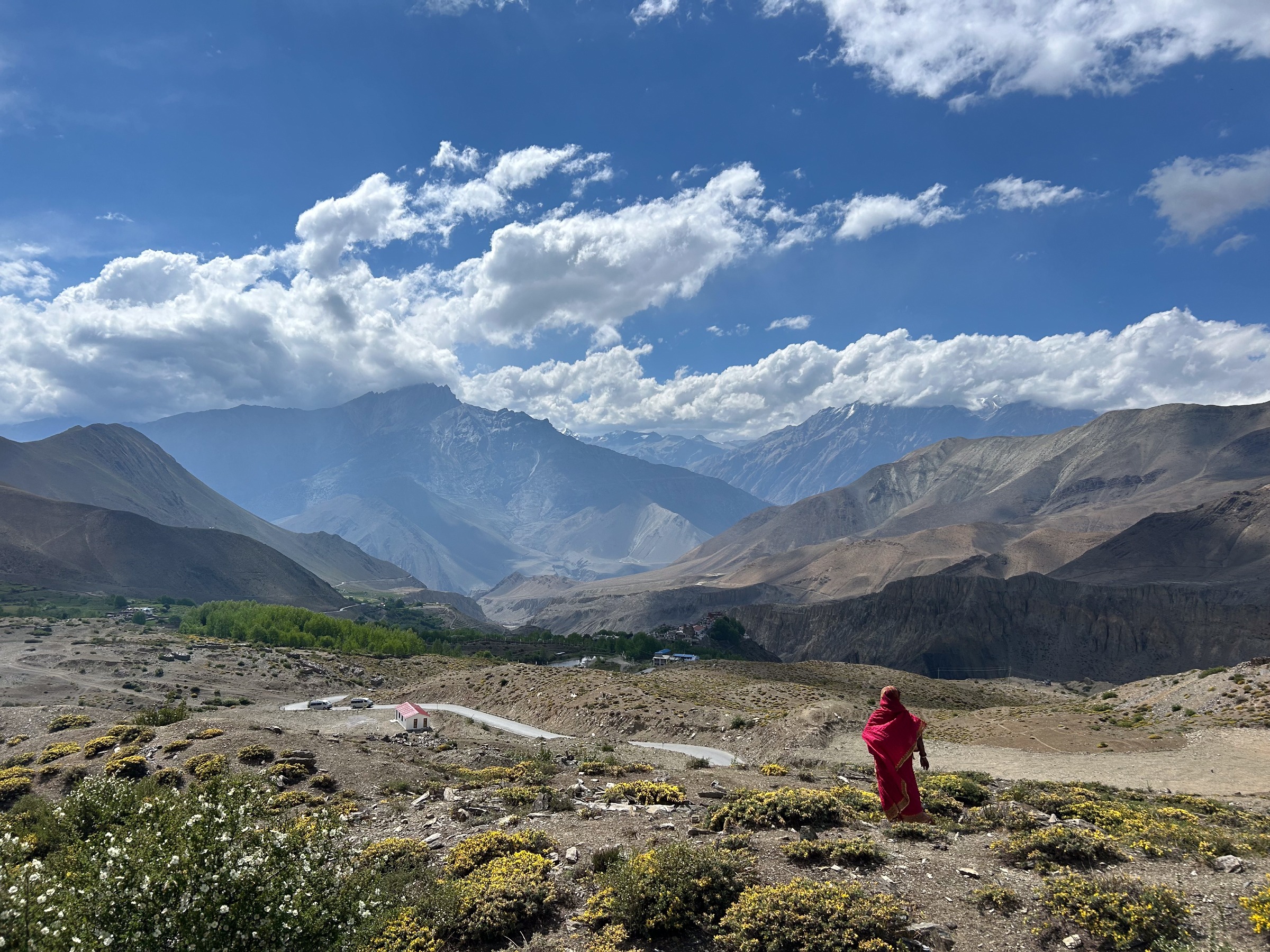
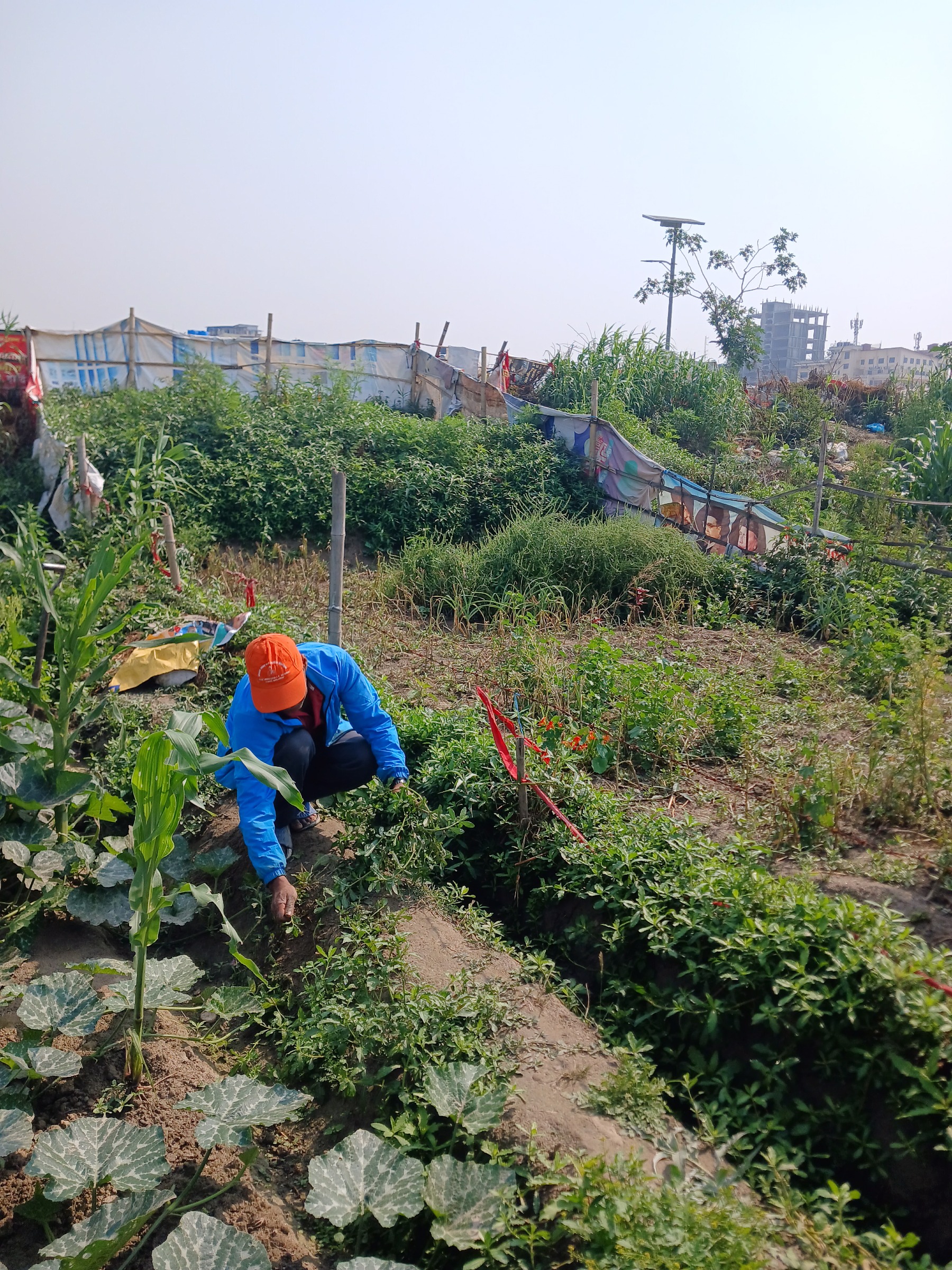
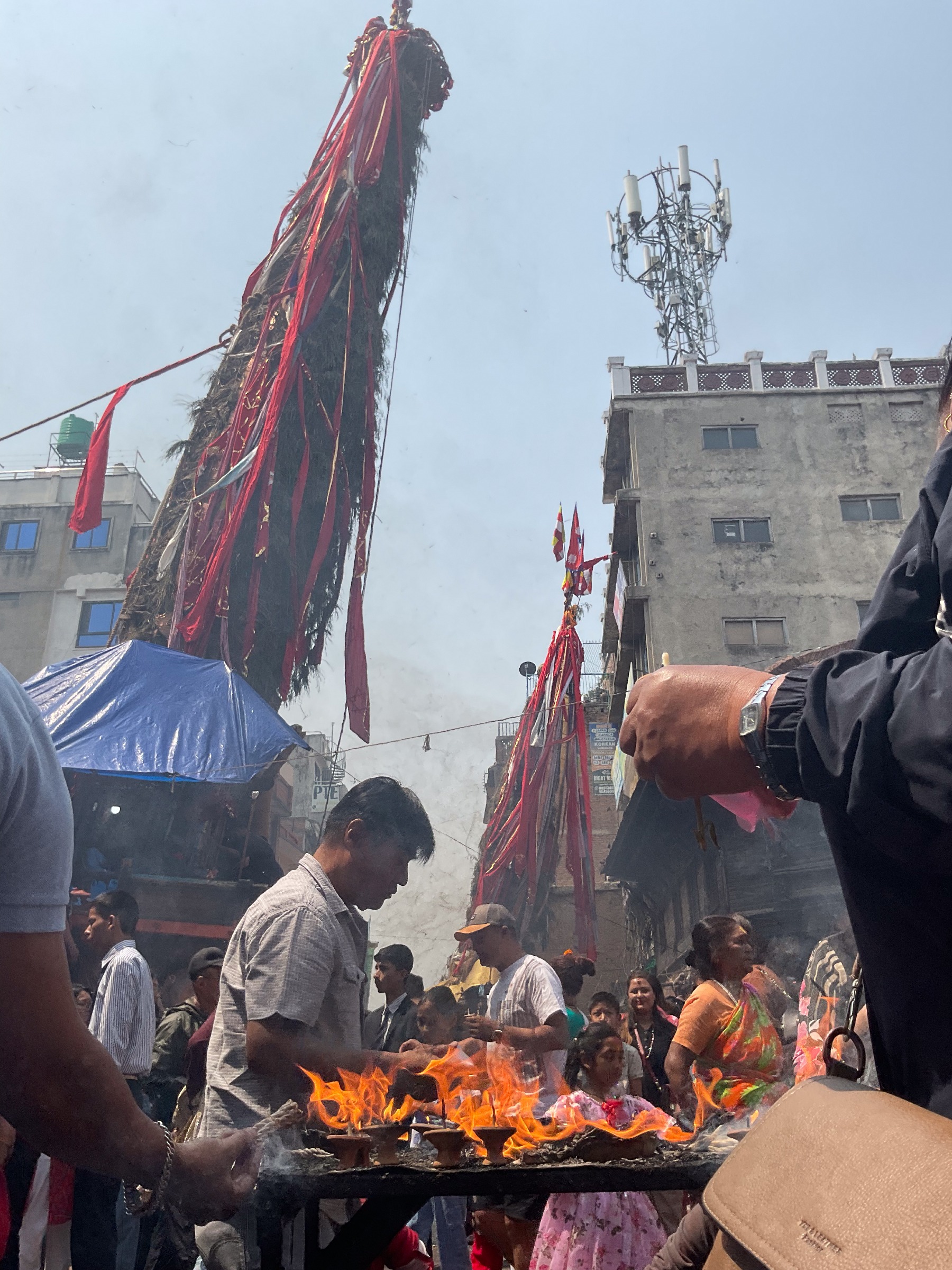
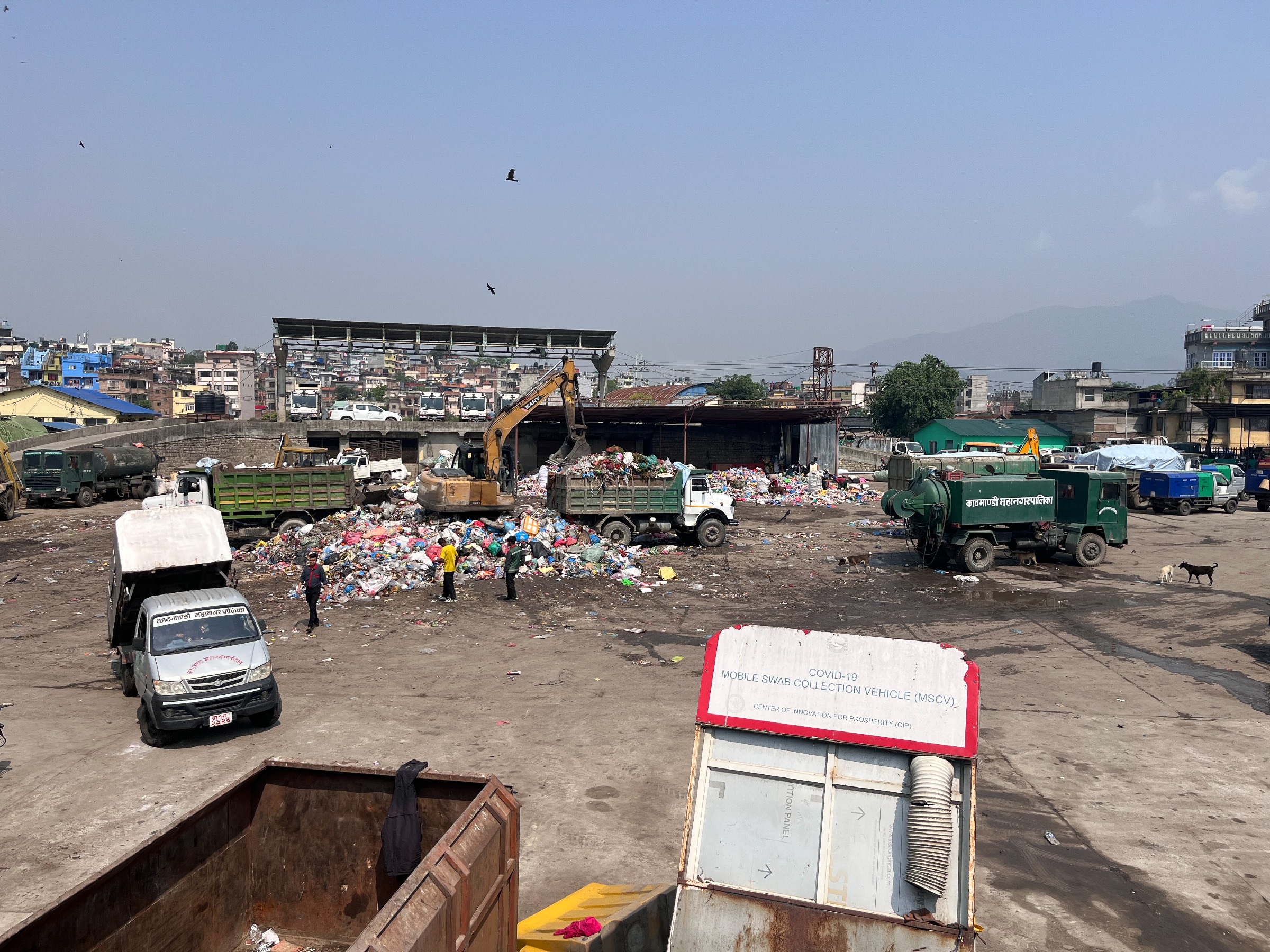
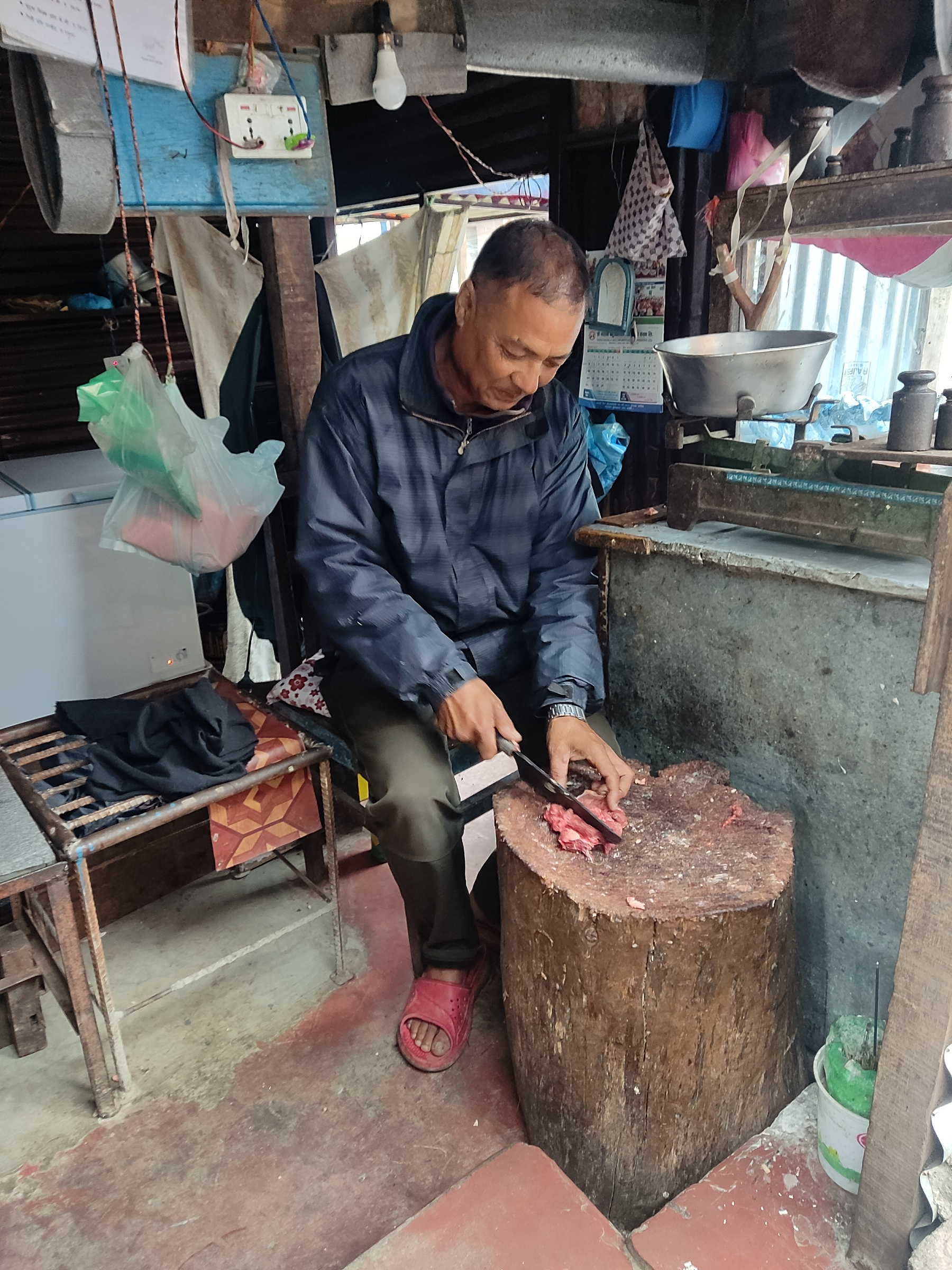
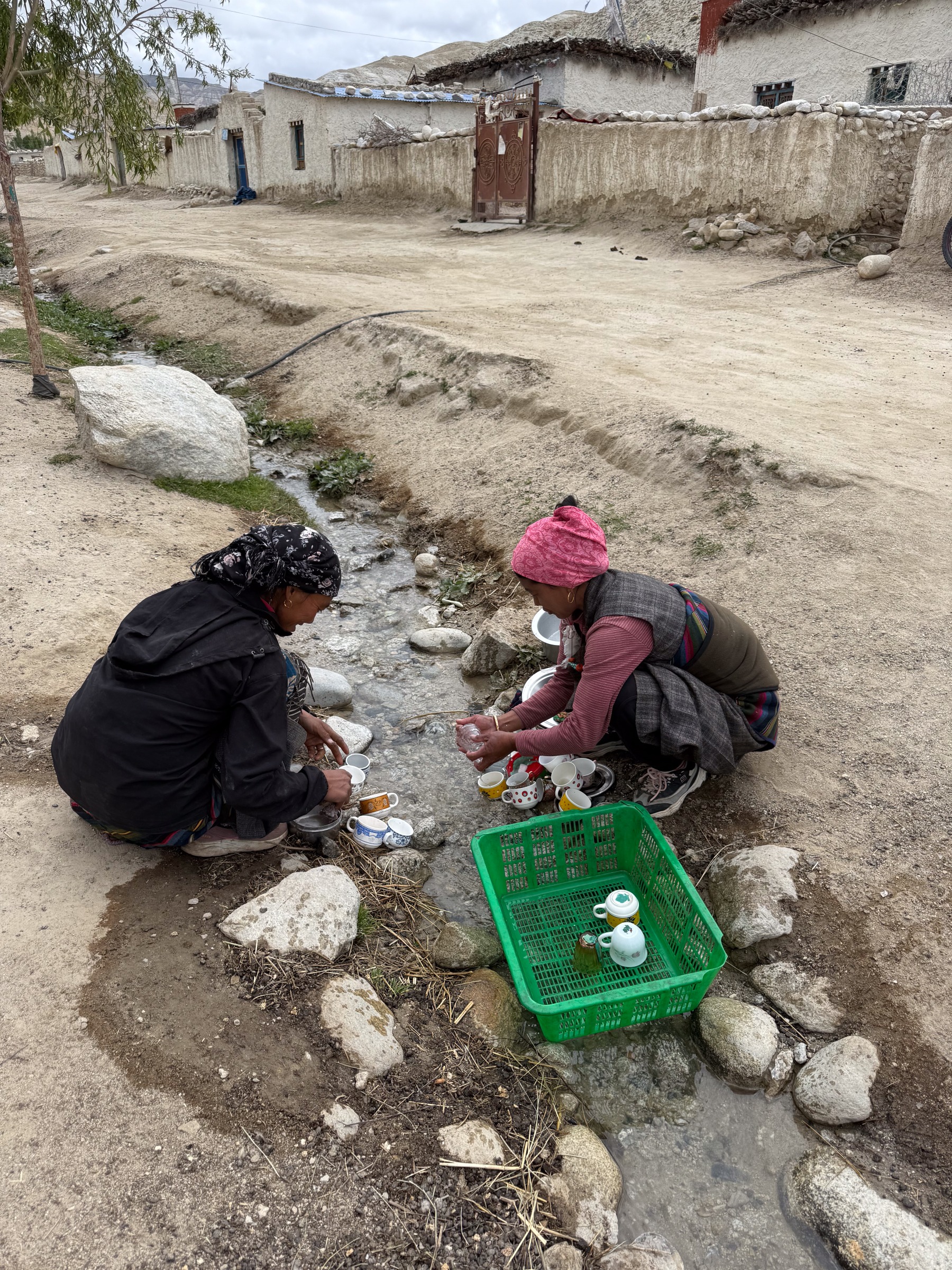
Photographs by participants of the 2025 Planetary Health Field School — a visual record of landscapes, communities, and encounters documented by students as they traversed one of Earth's most dramatic climate transitions, capturing what they understand about planetary health.
A storymap by photojournalist Tom White, one of the faculty of the Field School: Planetary Health 2025, tracing the climate migration of Sam Dzong — one of the Himalaya's oldest villages, relocated to a new site (often referred to as Namashung) due to glacial retreat and drought that made the land uninhabitable.
View storymap →