Field School
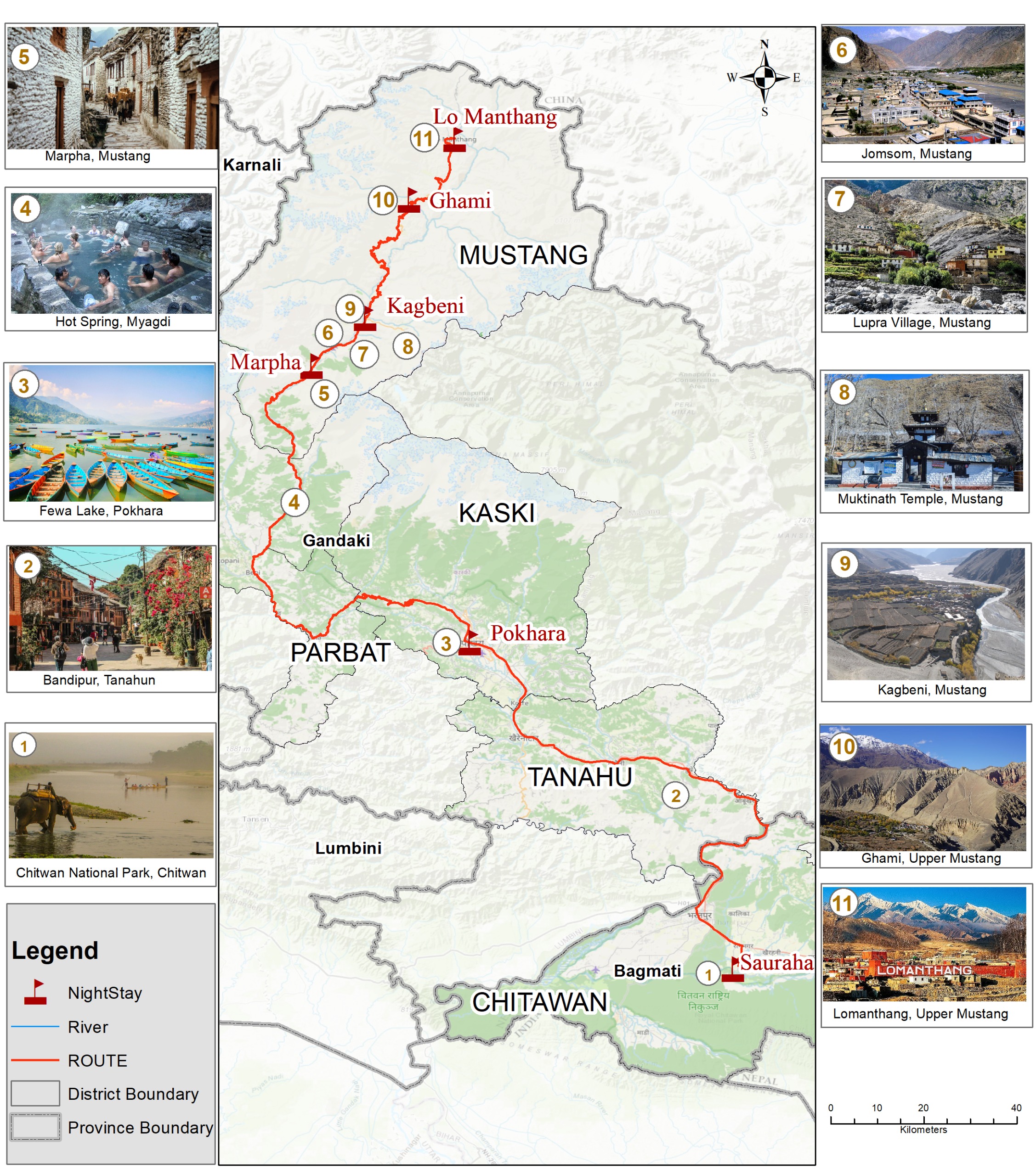
Chitwan to Lo Manthang (C2L) - Planetary Health across the Himalaya,
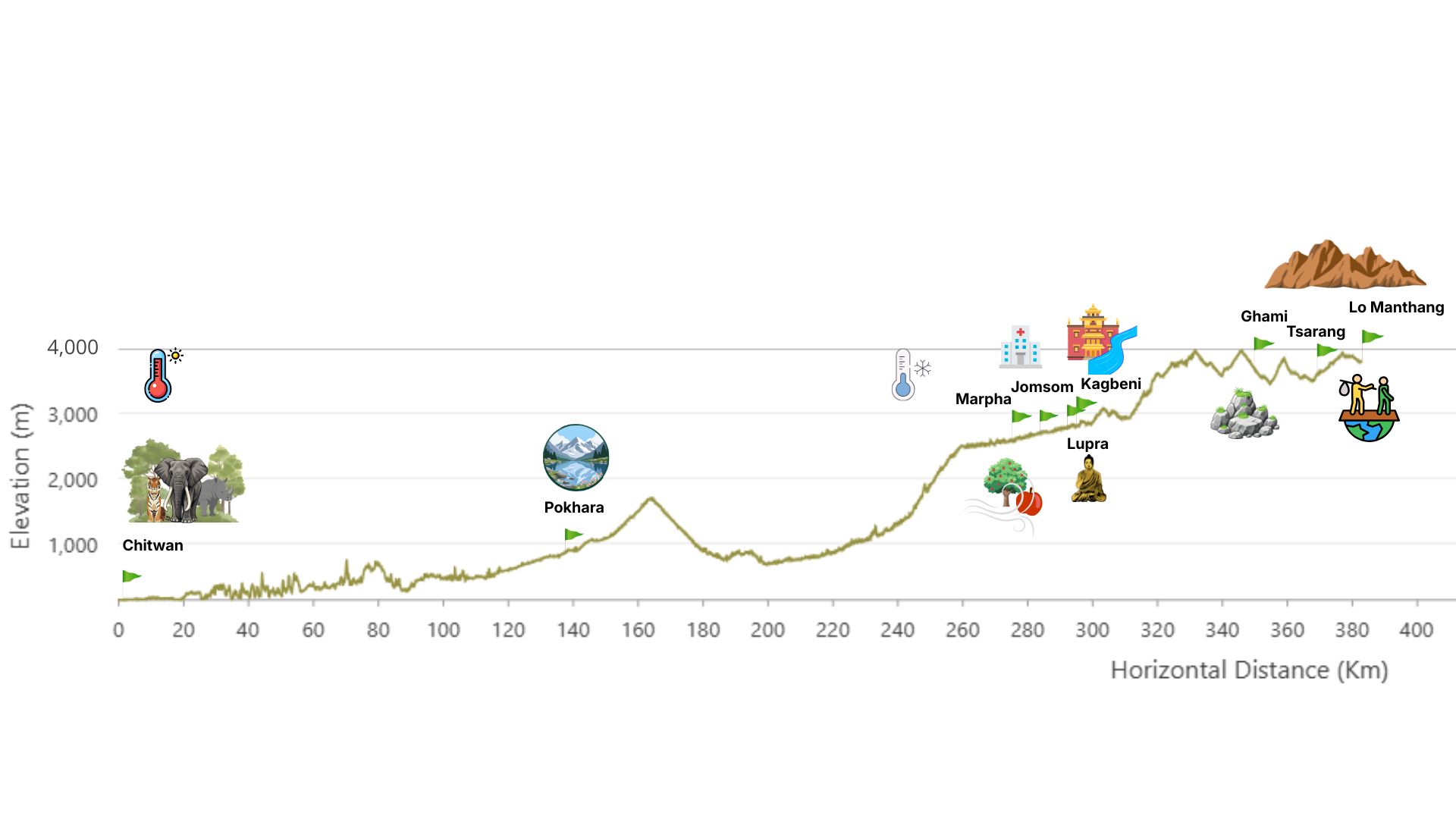
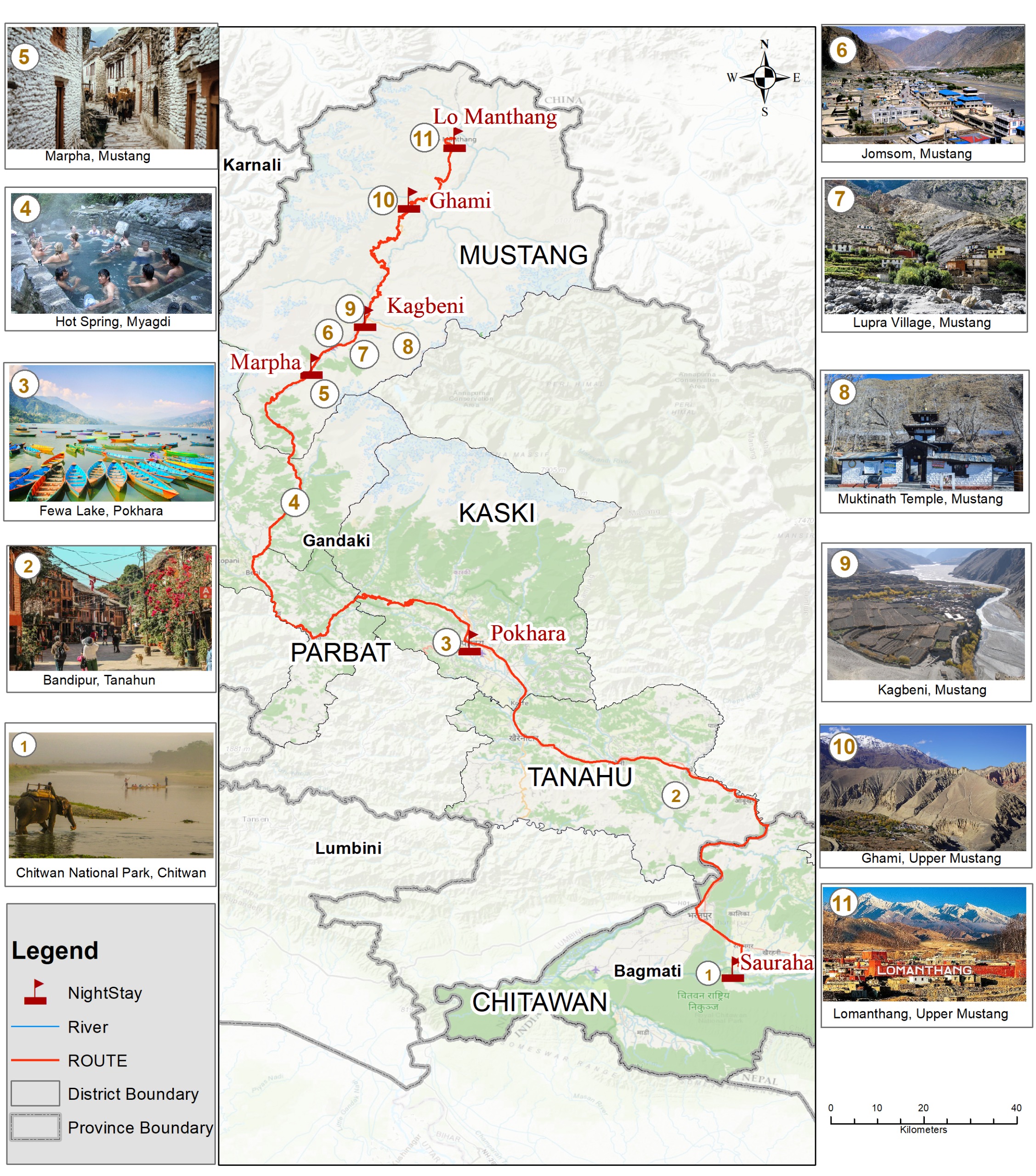
The Himalayan Planetary Health Transect 2026 is the second edition of the 2025 L2L Field School, which brought together a multidisciplinary cohort of undergraduate students, faculty, and professionals for an interdisciplinary, altitude-based field learning experience spanning the Terai Plains of Nepal to the Nepali Himalayas. The 2026 cohort was composed of 20 participants: 7 students from Nepal, 7 from Duke University, USA, and 7 from Duke Kunshan University, China (our newest collaborative partner). The two-week field program, stretching from the biodiverse lowlands of Chitwan to the arid landscapes of Lo Manthang, served as an immersive platform to explore the interactions between climate, health, biodiversity, ecological restoration, culture, gender, and how global change shapes each of these dimensions across dramatically shifting ecological zones.
Understanding the interconnections between human health, ecosystems, and global environmental change.
Observing and analyzing how climate change manifests across ecological zones, from the Terai to the Himalayas
Exploring the diversity of species, habitats, and ecosystems and the pressures they face from global change
Assessing environmental and social drivers of disease burden, health systems, and community well-being across altitudes
Witnessing migration, urbanization, indigenous land use, and the changing dynamics of mountain and lowland communities
Understanding the ethnic, religious, and traditional framings of environmental change, conservation, and resilience
Engaging with communities, practitioners, policymakers, and knowledge holders across Nepal
The program incorporated the following frameworks, materials and experiential learning activities to engage students:
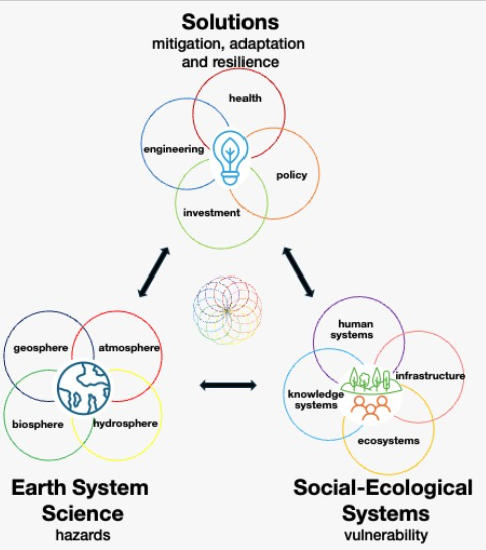
Planetary Health provides the central conceptual lens for the Transect, situating human well-being within the boundaries of Earth's natural systems. As articulated by Myers and Frumkin (2020), the rapid expansion of population, resource consumption, and high-impact technologies has pushed human activity beyond the planet's regenerative capacity; disrupting climate, biodiversity, freshwater, and land systems in ways that profoundly shape health outcomes. These disruptions alter nutrition, disease dynamics, mental wellbeing, and exposure to extreme events, with vulnerable communities bearing disproportionate burdens. Planetary Health therefore calls for a systems-oriented, equity-driven approach that recognises both risks and co-benefits. Within the Transect, this framework connected global drivers of environmental change to the local realities students witnessed on the ground.
Duke University, Nicholas School of Environment
Duke Kunshan University
Planetlab
Biodiversity and Sustainability Lab
Institute of Himalayan Risk Reduction (IHRR)
Karmaflights